Understanding the Image to Image Concept
The realm of digital art has undergone transformative changes, particularly with techniques that leverage technology to enhance creativity. One such approach is image to image transformation, which involves translating one image into another—altering styles, adding elements, or even completely reimagining the original. This dynamic process not only reshapes how artists express their creativity but also opens doors to new artistic possibilities.
What is Image to Image Transformation?
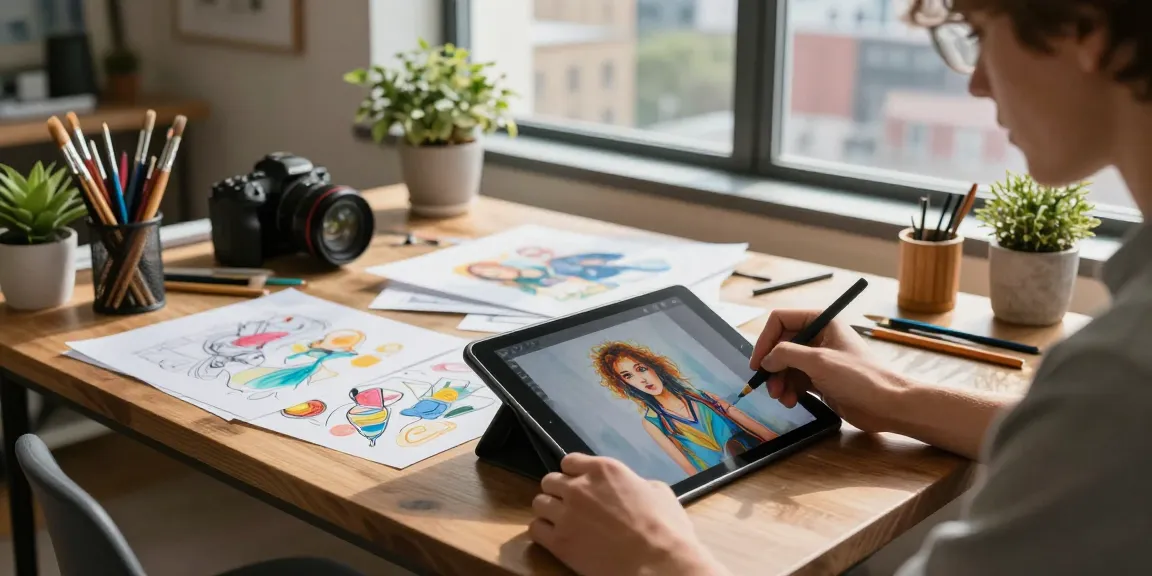
Image to image transformation is a process where an input image is processed to yield a modified output image. This can involve a variety of techniques, including style transfer, where the characteristics of one image (like a famous painting) are applied to another image (like a photograph). It's like painting an existing piece with a new brush while preserving its original essence. The technique finds extensive application in various fields, from art to design and even machine learning.
The Technologies Behind Image to Image
At the core of image to image transformations are advanced technologies such as Generative Adversarial Networks (GANs) and Convolutional Neural Networks (CNNs). GANs, for instance, consist of two neural networks—the generator, which creates images, and the discriminator, which evaluates them. This back-and-forth mimics a competitive process, leading to increasingly realistic outputs. Additionally, CNNs are pivotal in feature extraction, allowing the models to discern and apply styles and patterns effectively.
Benefits of Image to Image Techniques for Artists
For artists, image to image techniques present several advantages. They not only enhance productivity but also serve as a catalyst for creativity. Artists can experiment with styles without the need for traditional mediums, allowing for rapid prototyping of ideas. Furthermore, these techniques can democratize art, enabling individuals with limited traditional skills to engage with complex visual expressions.
Common Challenges in Image to Image Workflows
Despite the innovations that image to image techniques bring, artists often encounter several challenges in their workflows. Understanding these hurdles is crucial for overcoming them and maximizing the potential of digital artistry.
Overcoming Technical Hurdles in Image Processing
Technical issues such as low-resolution images, processing speed, and software limitations can all pose significant barriers. Artists may need to invest in high-quality hardware and software solutions to ensure smooth operations. Additionally, familiarizing oneself with the technology and its intricacies can also help mitigate these challenges.
Addressing Creative Blockages in Digital Art
Creative blockages are another common issue. When relying on technology to generate art, artists might find themselves constrained by the algorithm's capabilities. To overcome this, many artists recommend blending traditional techniques with digital methods, thus broadening creative horizons. Engaging with diverse sources of inspiration can also stimulate creativity.
Misinformation and Misconceptions Around Image to Image Techniques
Misinformation about what image to image techniques can achieve can dissuade artists from experimenting. A prevalent misconception is that these tools can replace traditional art; however, they are best used as complementary techniques that enhance the artist's vision rather than replace it.
Best Practices for Image to Image Transformation
To successfully leverage image to image transformations, artists can follow a set of best practices that can significantly enhance their output and overall experience.
Essential Tools and Software for Digital Artists
Choosing the right tools is critical for effective image to image transformations. Software such as Adobe Photoshop, GIMP, and specialized tools like DeepArt and Runway ML provide different functionalities tailored to various artistic needs. Artists should assess their unique requirements and select tools that align with their creative visions.
Techniques to Enhance Artistic Expression
Experimentation is key in digital artistry. Artists should embrace various techniques such as layering, blending modes, and custom brush settings to forge unique expressions. Incorporating feedback loops in their workflows can also lead to improvements and new insights into their artistic style.
Strategies for Optimizing Workflow Efficiency
Creating an efficient workflow can save time and energy. Artists can structure their projects by creating templates, maintaining organized files, and utilizing keyboard shortcuts. Additionally, batch processing images when applying similar effects can streamline the workflow significantly.
Real-World Applications of Image to Image Techniques
Image to image transformation techniques are not just theoretical; they have practical applications in various domains. Understanding these applications can inspire artists and designers to utilize these methods in their work.
Case Studies: Success Stories in Digital Art
Several artists have achieved remarkable success using image to image techniques. For instance, artists like Mario Klingemann have leveraged GANs to produce unique artworks that challenge the conventions of art and machine intelligence. Their work not only highlights the creative potential but also raises questions about authorship and originality in art.
How Image to Image Influences Other Creative Domains
Beyond the digital canvas, image to image techniques are influencing industries such as fashion, advertising, and gaming. In fashion, for instance, designers use these methods to experiment with textiles and patterns before they're physically produced. In advertising, companies are utilizing these transformations to create engaging, visually dynamic content that resonates with audiences.
Building a Portfolio with Image to Image Projects
Artists looking to build a portfolio can incorporate image to image projects as a central theme. Showcasing the evolution from initial concepts to final pieces can demonstrate not only technical skill but also the thought process behind each creation. This transparency can attract potential clients and collaborators.
Future Trends in Image to Image Artistry
The future of image to image artistry holds exciting possibilities as new technologies continue to emerge. Artists who stay informed about these trends will be better positioned to enhance their work and creative output.
Emerging Technologies Shaping the Future of Digital Art
Technologies such as Artificial Intelligence (AI) and Augmented Reality (AR) are already beginning to shape the future of image to image artistry. AI can help generate creative suggestions, while AR allows artists to visualize their work in real-world settings, enhancing the interactive experience for viewers.
Predictions for Creative Expression in 2026
As we look toward 2026, we can expect to see an integration of virtual reality in image to image processes, allowing artists to manipulate images in a three-dimensional space. This shift will likely revolutionize how we perceive and interact with digital art, making it even more immersive and engaging.
Expert Insights on Advancements in Image Processing
Leading experts in the field predict that advancements in neural networks will make image to image transformations even more sophisticated and accessible. Artists should embrace these changes, exploring new styles and ideas that emerge from continuous technological innovations.
What is Image to Image Transformation?
In summary, image to image transformation is a vital process in digital artistry that utilizes advanced technologies to reshape visual content. By understanding its mechanics and embracing best practices, artists can unlock their creative potential.
How Can Image to Image Techniques Benefit My Art?
By utilizing image to image techniques, artists can experiment with different styles and concepts, drastically improving their creative output and allowing for the rapid development of new ideas.
What Tools are Best for Image to Image Projects?
Artists should consider tools like Adobe Photoshop, GIMP, and emerging AI-driven software that can assist in creating innovative transformations of their images.
Can Image to Image Workflows be Automated?
Yes, many processes within image to image workflows can be automated through scripts and AI tools, enabling artists to focus on the creative aspects without getting bogged down by repetitive tasks.
What are the Future Developments in Image to Image Art?
As technology continues to advance, the future of image to image art will likely see increased interactivity, customization options, and collaborations between artists and AI, leading to unprecedented creative expressions.